
How to read a crochet pattern
Abbreviations, asterisks, brackets and US versus UK terms, explained with real examples.
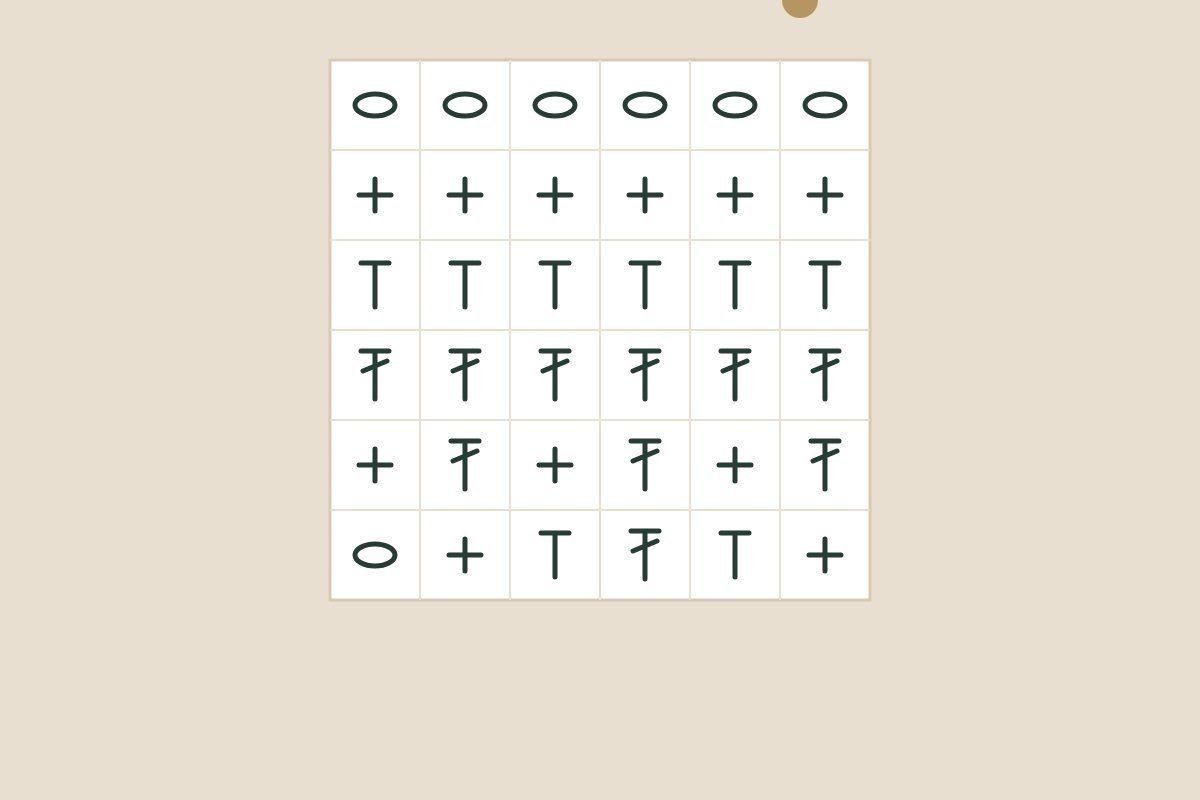
A crochet pattern is written in shorthand. Once you know the vocabulary, it becomes a straightforward set of instructions.
US or UK terms?
The same stitch has different names on each side of the Atlantic. Every CrochetSmith pattern uses US terms. If a pattern looks wrong, check which system it uses.
| US term | UK term | Abbreviation (US) |
|---|---|---|
| Single crochet | Double crochet | sc |
| Half double crochet | Half treble | hdc |
| Double crochet | Treble | dc |
| Treble crochet | Double treble | tr |
| Slip stitch | Slip stitch | sl st |
Symbols and repeats
- Asterisks *…* mark a group to repeat. “*2 sc, inc*, repeat 6 times” means work 2 sc and an increase, six times.
- Brackets ( ) at the end of a row or round show the stitch count you should have, for example (18).
- Rnd means round: you are working in a circle. Row means you turn at the end and work back.
Gauge and size
The gauge tells you how many stitches and rows make 10 cm (4 in) in the pattern designer’s sample. If your swatch has more stitches, use a larger hook. If it has fewer, use a smaller one. For amigurumi, gauge matters less than tight, gap-free stitches.
Skill levels
Beginner patterns use only basic stitches and simple shaping. Easy patterns add simple colour changes or shaping. Intermediate patterns use more techniques, or more complex construction.
Next, learn the magic ring, the start of nearly every amigurumi.